How to Drive Automatic Car
Automatic Driving Lessons

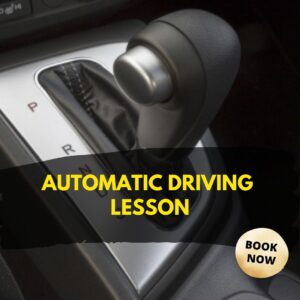
How to Drive Automatic Car
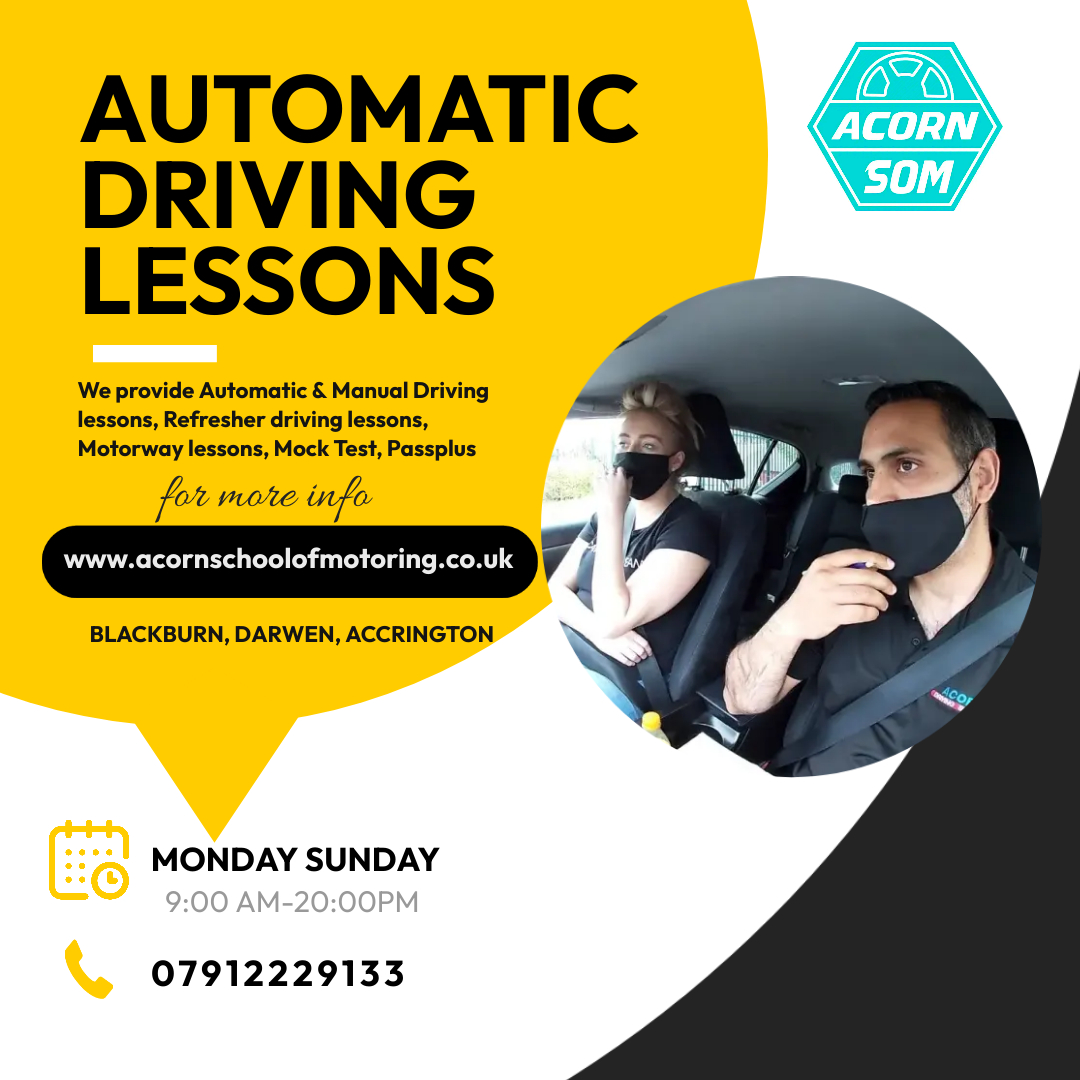
Looking for reliable and friendly driving lessons in your area? We offer a full range of courses, including refresher lessons, motorway training, Pass Plus, crash courses, intensive lessons, and support for nervous drivers. Whether you choose automatic or manual, our experienced male and female instructors in Preston are dedicated to making your learning journey smooth, stress-free, and effective. With local knowledge, patient teaching, and proven experience, we help you gain confidence, improve your skills, and pass your driving test with success.

Happy Customers
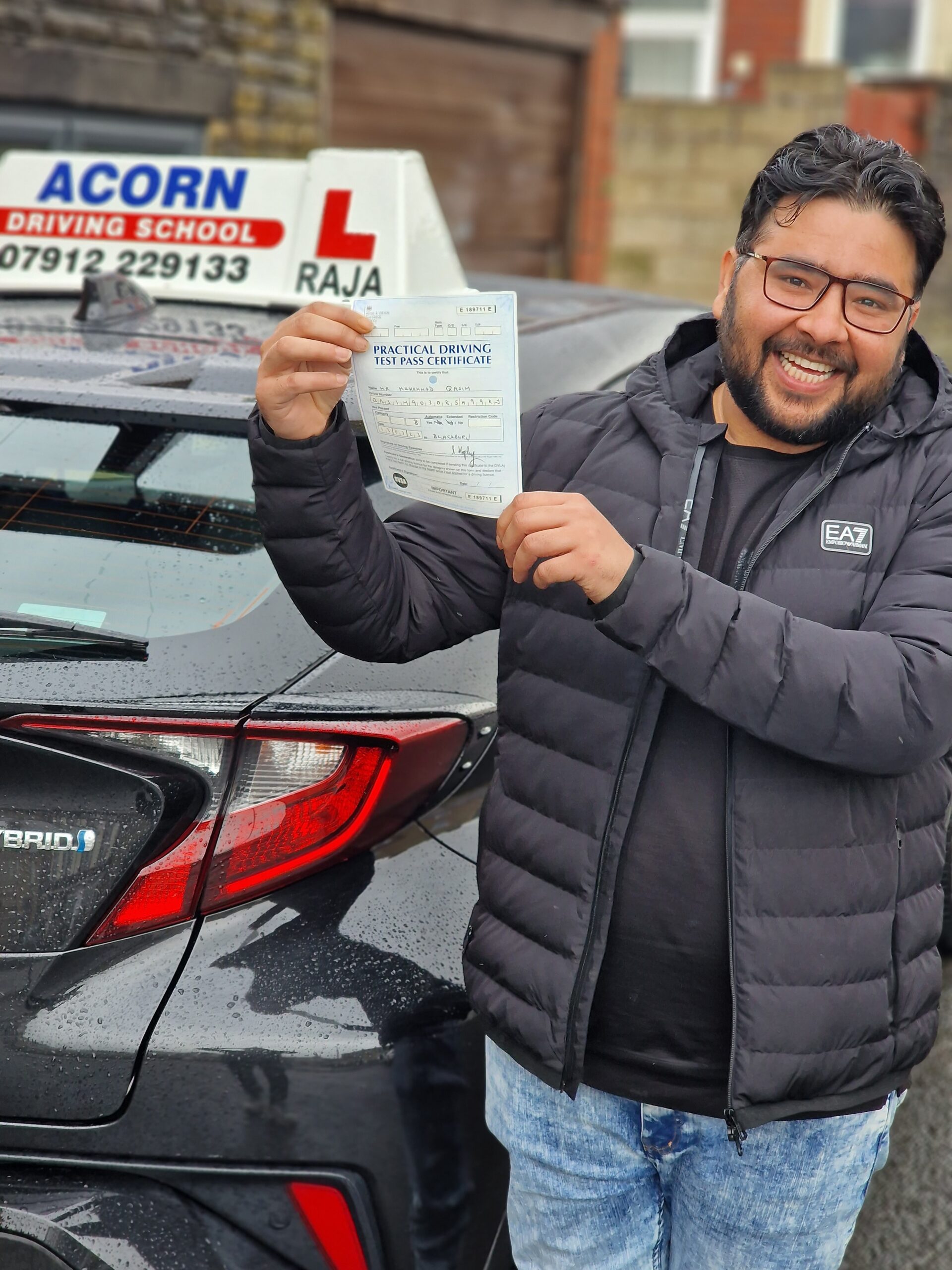
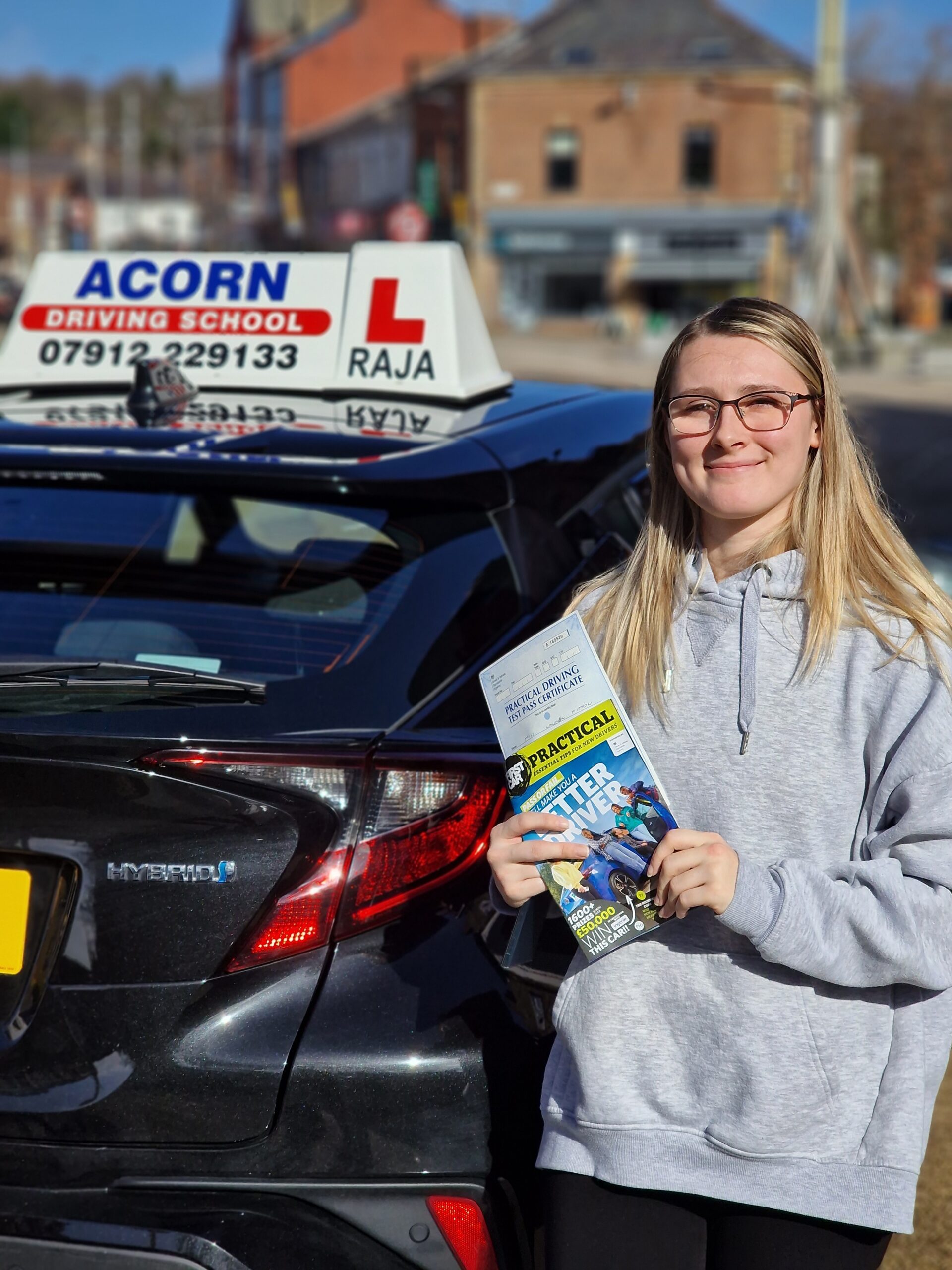
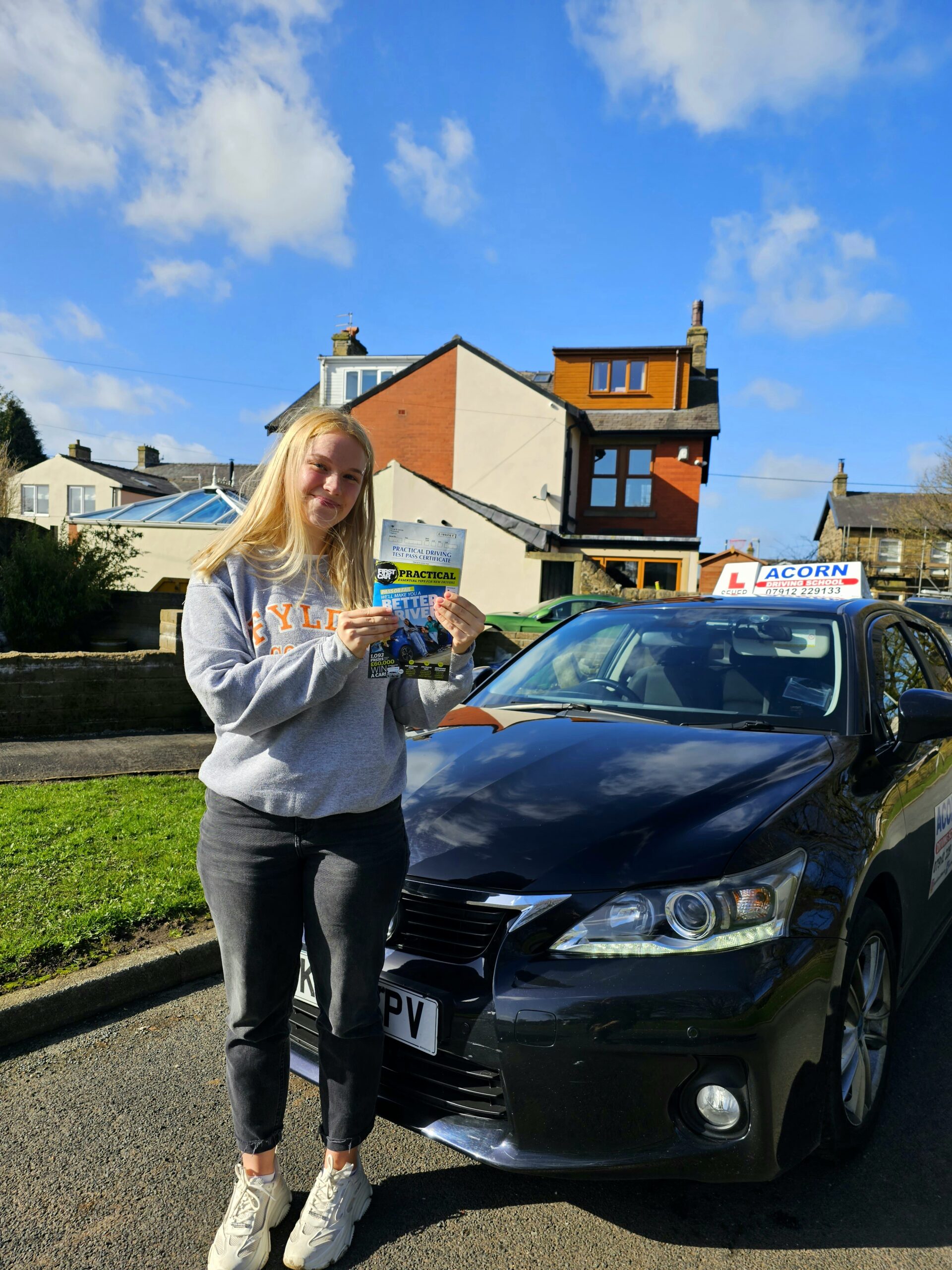
Join Our Team
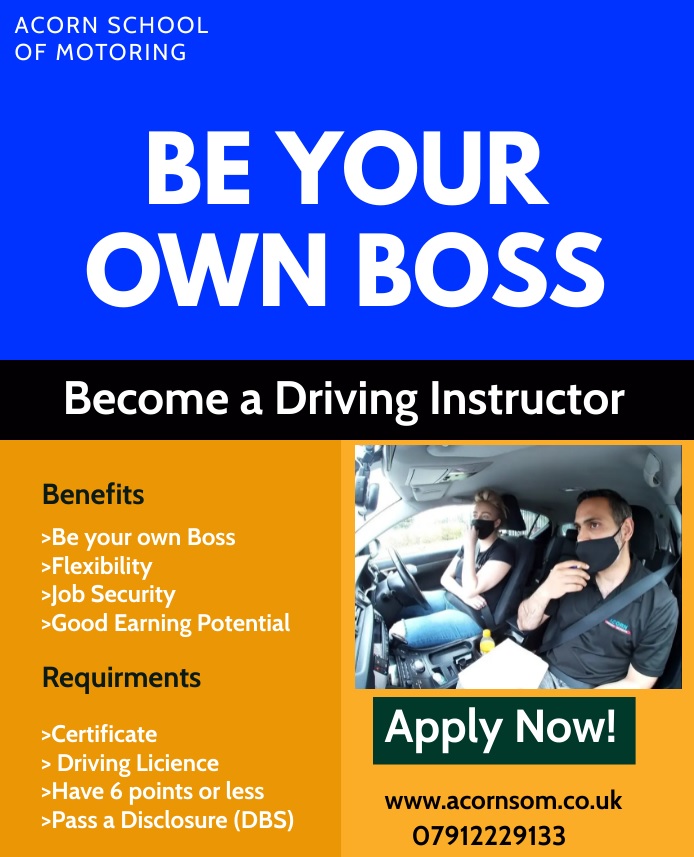
We are currently recruiting more Instructors in our team. We are looking Automatic Driving Instructors and Manual Driving Instructors Male & Female. Preston, Blackburn, Darwen, Accrington Feel free to submit the application form link below. We will call successful candidates for interviews.
Learning how to drive an automatic car is often considered the easiest way to gain confidence behind the wheel. Unlike manual cars, automatic vehicles do not require clutch control or frequent gear changes, making them especially suitable for beginners, nervous drivers, or those who simply want a smoother driving experience. At Driving School Preston, we specialise in automatic driving lessons across Luton, Blackburn, Accrington, Darwen, and Preston, helping learners master the basics quickly and progress towards safe, independent driving.
Understanding the Basics of Automatic Cars
An automatic car does most of the work for you. Instead of manually changing gears, the vehicle adjusts automatically based on speed and acceleration. You’ll mainly use two pedals:
- Accelerator (right foot) – to speed up.
- Brake (right foot) – to slow down or stop.
The left foot is not used, unlike in manual cars where it controls the clutch.
Gear Selector in Automatic Cars
Automatic cars have a simple gear selector, usually with the following options:
- P (Park) – when the car is stationary and switched off.
- R (Reverse) – for reversing.
- N (Neutral) – no power to the wheels, similar to manual neutral.
- D (Drive) – for normal driving.
Some cars may also have “S” (Sport) or “L” (Low) for specific driving situations, but most learners only need to master P, R, N, and D.
Step-by-Step Guide to Driving an Automatic Car
- Start the Car: With your foot on the brake, turn the ignition or press the start button.
- Select Drive: Move the gear lever to “D” while keeping your foot on the brake.
- Move Off: Gently release the brake and press the accelerator with your right foot to move forward.
- Steering and Speed: Keep both hands on the wheel, adjusting your speed with the accelerator and brake.
- Stopping: Ease off the accelerator, press the brake smoothly, and bring the car to a stop.
- Parking: Once stopped, shift the gear lever back to “P” and apply the handbrake.
Benefits of Learning Automatic
- Simpler to learn – no clutch or gears.
- Faster progression – you can focus on road awareness and hazards.
- Ideal for city driving – especially in heavy traffic where constant gear changes are stressful.
- Confidence boosting – fewer things to manage, making it easier for nervous learners.
Building Skills with an Instructor
While automatic cars are easier to drive, it’s still important to learn correctly with a professional instructor. At Driving School Preston, our instructors teach:
- Safe acceleration and braking techniques.
- Lane discipline and roundabout navigation.
- Parking, reversing, and manoeuvres.
- Hazard perception and defensive driving.
- Local test routes to prepare you for exam conditions.
Summary
Knowing how to drive an automatic car is about mastering the basics—accelerating, braking, and steering—while letting the vehicle handle the gears. With guidance from Driving School Preston, you’ll learn efficiently, gain confidence, and prepare for your test on local routes in Luton, Blackburn, Accrington, Darwen, and Preston.
For those ready to start learning, our guide on Driving Instructor Near Me Automatic explains how a qualified local instructor can make your lessons smoother and more effective.


